Gakuran Roleplay Guide (2026)
Gakuran is more than a fighting game. At its core it is a Japanese school-life roleplay sandbox set in May 2007, where you build a student, join the social world of Nishikata High, and act out delinquent (yankii) school stories. This guide walks through the roleplay layer - what it is, where to do it, and how to start your own story.
By Gakuran Guide · Site Maintainer: CT
Last updated:
What Roleplay Means in Gakuran
Unlike a pure combat arena, Gakuran gives you a living school town to inhabit. You create a character with a name, face, hair, height, and ethnicity, then play out a student life: attend classes, work a part-time job, buy drinks at the coffee shop, jam in the music room, and clash (or befriend) rival crews. The fighting styles exist to back up the story, not replace it. If you want a calmer experience, the game supports it - combat is opt-in through Combat Mode.
Where to Roleplay
Nishikata High School
Classrooms, the Library, and the Infirmary are Green Zones where combat is disabled - ideal for class roleplay, study scenes, and safe conversations.
Coffee Shop & Vending
A relaxed social hangout to meet players, roleplay after-school meetups, and recover stamina between scenes.
Music Room
Playable instruments let you form live bands - a favorite roleplay activity for crews and friend groups.
Club Akuma & New Town
The nightclub and town district are where the rougher delinquent storylines play out. See our Locations guide for the full map.
For the complete breakdown of every place and its safety rules, read our Locations Guide.
Building a Roleplay Character
Your character is the foundation of any roleplay story. Gakuran lets you customize nearly everything at creation - and reroll it later with codes:
- Identity: pick a first and last name, ethnicity, and height - each has roleplay weight in the school setting. Our Character Creation guide explains the system.
- Look: hair color, face, and accessories define your style. Browse the Items & Accessories guide and Hair Colors guide.
- Crew affiliation: join a gang or crew to give your character a faction and a storyline. See Gangs & Crews.
Expressing Your Character
Roleplay is driven by how your character acts, and Gakuran ships several expression tools:
- Emotes: dance, wave, and use avatar emotes via number keys or the emote wheel. Full details in our Emotes guide.
- Phone social features: messages, calls, and social media through the in-game phone. See the Phone System guide.
- Carry & interact: pick up downed players for dramatic RP moments. Our How to Carry guide covers the interaction.
- Music: play instruments solo or as a band in the music room - our Music Room guide shows every instrument.
Safe Roleplay: Green Zones
Not every space is a battlefield. Gakuran disables combat stance in specific safe areas so roleplay is never interrupted by random fights. The known Green Zones are the Infirmary (3x HP regen), Classrooms, and the Library. Toggle stance rules and troubleshooting are covered in our Combat Mode guide.
Getting Started with Roleplay
- Create a character you want to play - give them a name, look, and a hook (a transfer student, a crew member, a musician).
- Join a crew or find roleplay friends through the official Discord and group.
- Hang out in Green Zones and social spots to meet other roleplayers.
- Use emotes, the phone, and music to act out scenes.
- Keep the official codes redeemed so you can reroll looks and styles as your story evolves.
Frequently Asked Questions
Is Gakuran a roleplay game?
Where can I roleplay safely in Gakuran?
How do I find a roleplay crew in Gakuran?
Roleplay in Action
Nothing shows Gakuran's roleplay layer better than a player-run scene inside Nishikata High. In this clip a creator roleplays a teacher running a chaotic classroom - taking attendance, breaking up fights, and turning a brawl into a lesson - which is exactly the kind of improvised school-life story the game is built for.
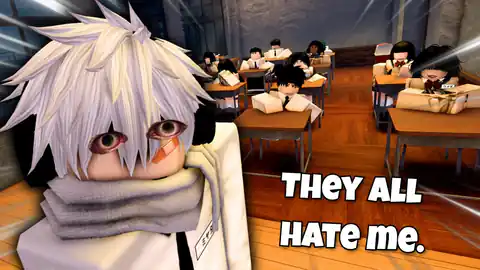
Transcribed from the video's English subtitles: the skit demonstrates how players use the school setting (desks, chalkboard, detention, step-outside duels) to act out everyday student-and-teacher scenarios instead of only fighting.